News
Stories making wavesUnited for all
BREAKTHROUGH CONSENSUS LINKS WILDLIFE AND CLIMATE
For the first time, a coalition of 287 leading researchers and scientists, spanning six continents - have endorsed a 'Scientific Consensus on Wildlife and Climate'. Affirming the vital role that wild animals play in mitigating climate change it collectively calls on governments across the globe to formally incorporate wildlife and their ecological roles into climate policies.
Whilst the role that wildlife plays has long been known, the necessity to recognise and protect wild animals and their habitats has been largely absent from climate policy. Now, for the first time scientists from different disciplines have agreed on the wording of a statement, following pledges by African leaders at COP30 to advance a Wildlife for Climate Declaration.
A 2023 Nature Climate Change paper led by Yale University estimated that restoring wild animal populations and their functional roles could increase CO2 uptake by an additional 6.41 gigatons per year. This would help to address the shortfall between what conventional nature-based solutions can deliver and what scientists say is needed to keep warming below 1.5C.
When living within their natural environment, animals can play a vital role as 'climate allies', undertaking natural behaviours that keep whole ecosystems functioning, including contributing to natural carbon storage and sequestration.
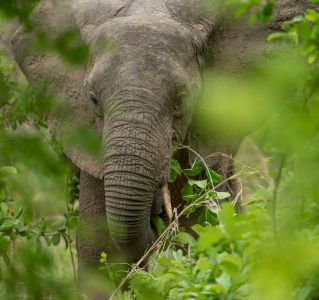
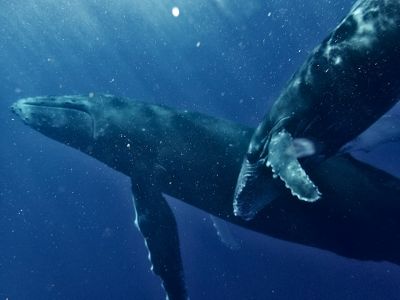
Matt Collis, Senior Director of Policy at International Fund for Animal Welfare said: "Wild animals are some of our greatest allies in protecting the planet from climate catastrophe, yet their role has been overlooked for far too long. From elephants shaping forests to marine species helping store carbon in the ocean, animals keep ecosystems healthy, resilient, and functioning. This Scientific Consensus makes clear that climate policy can no longer ignore wildlife, not only for the sake of biodiversity, but for the future stability of our planet."
Ed Goodall, Climate Policy Specialist at the World Federation for Animals, suggested that bringing together a broad spectrum of scientists "reflects a clear agreement that wild animals are active participants in ecosystem processes ... there is strong agreement from over 280 academics already that animal-mediated processes, from seed dispersal and pollination to grazing and ecosystem engineering, must be better recognised in climate and biodiversity policy. The Consensus gives policymakers a careful, credible basis for doing so."
The Scientific Consensus on Wildlife and Climate, which now provides policymakers with a credible reference source agreed, in essence, the following:
1. Animals can positively influence climate-related ecological processes through their natural behaviour, such as grazing, predation, movement, feeding, and excretion;
2. These processes have an important role to play in carbon storage and ecosystem regeneration and stability, yet are largely overlooked in climate planning and policy; and
3. In many cases, it is scientifically incomplete to assess nature-based climate solutions without considering how wild animals help ecosystems function.
The consensus concludes with a united call for governments to account for wild animals and their functional roles in climate policies and frameworks, in order to strengthen holistic climate and biodiversity action.
A Wildlife and Climate consensus website has also been launched. Click HERE for further information.