News
Stories making wavesNight after Night
RARE BIRD NUMBERS RISE WITHIN NATIONAL PARK
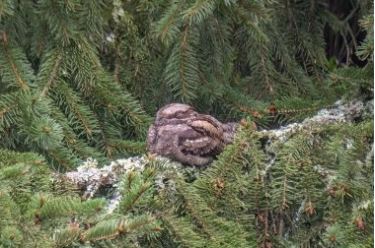
As the 2026 season for ground-nesting birds begins and owners are encouraged to keep their dogs on leads, the South Downs National Park have announced that Nightjars, one of Britain's most elusive birds, are making a remarkable comeback there. Listed as an Amber species under the Red List for Birds, and known for their camouflage and 'churring' song when darkness falls, nature recovery efforts and better habitat management led to 2025 being a record year for the birds, which migrate every spring, flying 4,000 miles to get here from the Democratic Republic of Congo.
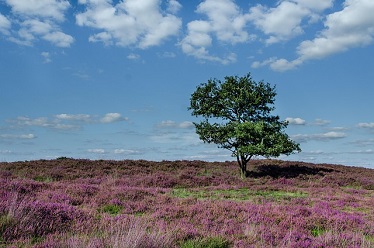
Work in the Park has focused on protecting and increasing lowland heath, which provides perfect ground-nesting sites for these crepuscular birds which can be seen hunting for food at dawn and dusk. The loss of open woodland and heathland to agriculture and development caused numbers to dramatically fall by 51 per cent across the UK between 1972 and 1992 but an ecological survey last year revealed 109 nightjar territories, leading to an estimated doubling of the population in the past five years. Their resurgence has also apparently been paralleled by woodlarks and Dartford warblers, which are also showing promising increases in numbers.
The South Downs National Park stretches across Hampshire, West Sussex and East Sussex. Kirsty Murray, an engagement ranger for heathlands who's looking forward to the birds return this year said "These lowland heaths were once widespread across the South Downs but now make up just one per cent of the National Park. They are actually as rare as the rainforest, supporting some of the UK's rarest species, so it's really important we care for the habitats that remain. It's wonderful to hear the nightjars churring away as dusk falls and we're looking forward to continuing this incredibly positive conservation work alongside local communities and our partners."
(Pic credit of Nightjar above left: Graham Osbourne, Southdowns National Park)