Living Planet
Nature · Earth · ClimateNature Notes: June/July 2026
A QUESTION OF BEES
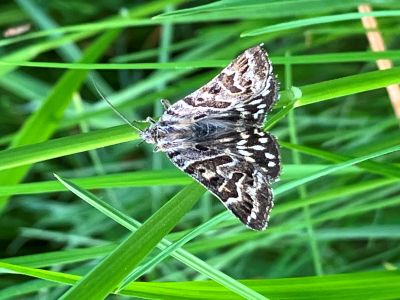
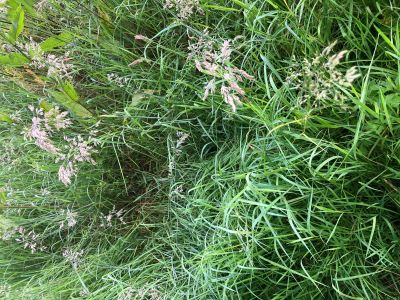
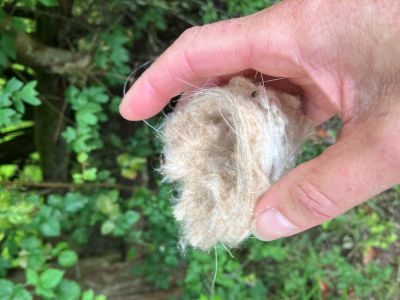
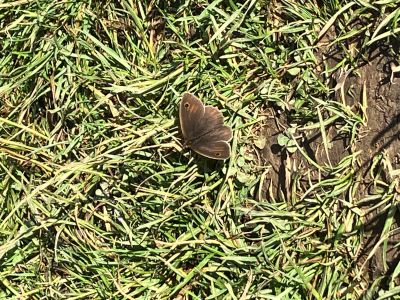
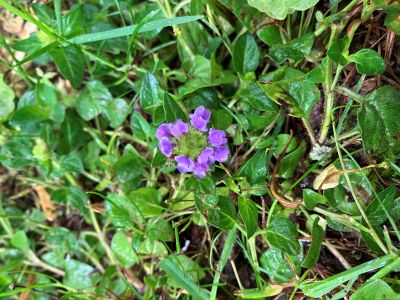
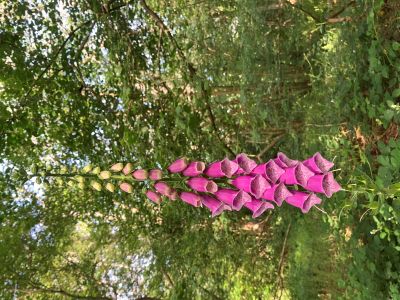
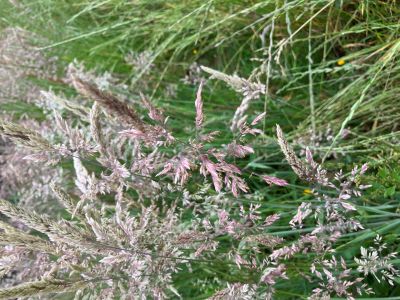
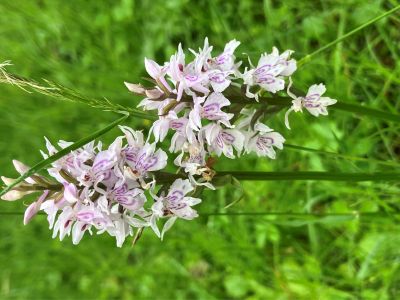
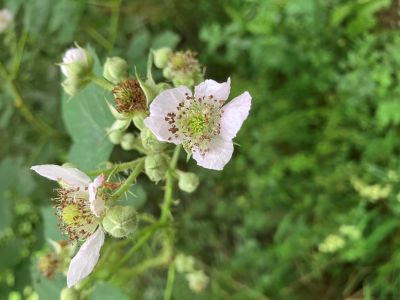
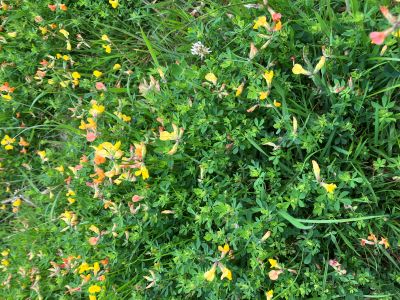
Highlights of June: the happy urgent 'cheeps' of a variety of garden fledglings receiving food and learning to fly; a spiral of juvenile tree creepers being fed by their parents on a village oak; finding a dormouse nibbled hazelnut shell under my honeysuckle; indentations in long meadow grass left by resting deer; foxgloves, common orchids, birdsfoot trefoil, clover and self-heal; meadow brown butterflies,; emerging marbled whites and a 'Mother Shipton' moth with the profile of a wizened face on the edge of its wings; finding the inner cup of a goldcrests nest, made of soft wool packed with salix willow seed and thistle down.
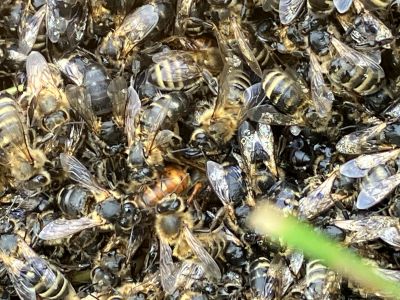
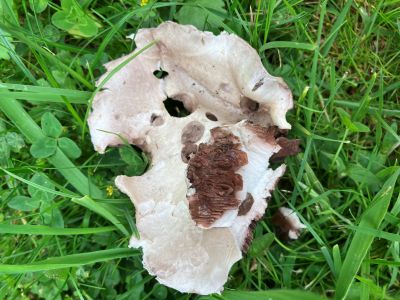
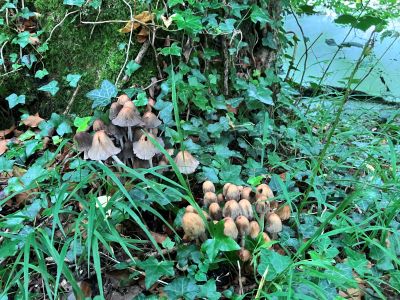
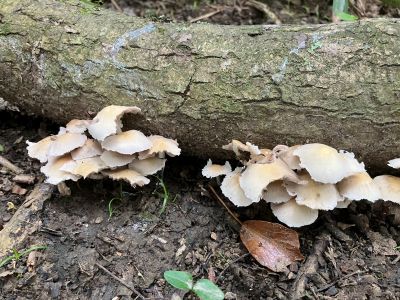
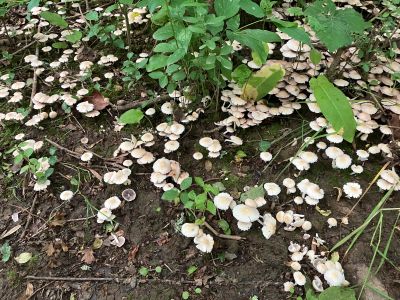
Lowlights: another record-breaking heatwave caused by climate change; a question mark shaped 'pile' of grounded honey bees in a field - some dead with their tongues sticking out indicative of pesticide poisoning; noticeably fewer insects on the wing generally; an unseasonable feeling of autumn in the air some mornings along with fungi and dead shrews on footpaths; trees fully flush with leaves uprooted by thunderstorms; the UK Government quietly granting yet another authorisation to spray butterfly and bee killing neonicotinoid pesticides across our fields this summer (despite being officially banned since 2018).
Key messages: Did you know that a single teaspoon of Neonicotinoid pesticides can kill 1.25 billion honeybees? In microscopic quantities they destroy nerve cells in our pollinators and other insects, causing uncontrollable twitching, paralysis, and death and their accumulation in the food chain kills aquatic invertebrates, earthworms, frogs, hedgehogs and birds, and others.
What you can do to help:
- Visit Butterfly Conservations websiteand sign their open letter calling on ministers to honour their promise of setting a deadline for an absolute ban on neonicotinoid pesticide use.
- Continue to support our wildlife by putting out fresh water daily in a shallow dish with pebbles so insects can climb/fly out. Avoid trimming back hedges and branches and keep areas of long grass, to protect nesting sites and provide shade.
- Celebrate World Nature Conservation Day this month by embracing something new. You could stay at home and spend a night out under the stars or join one of your local Nature Reserve's 'Birding for Beginners' courses or 'Seasonal walks'.
- If you haven't already seen it catch a local screening of The People's Emergency Briefing - bringing together the science and national implications of the climate and nature crisis.
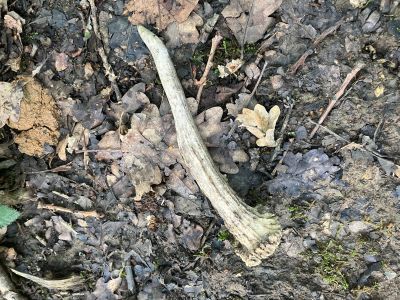
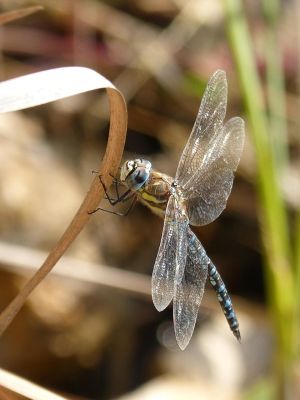
What to look for in July: Dragonflies actively hunting smaller insects; emerging native, British-born species of painted lady butterflies joining the record numbers that came from Europe during our spring heatwave; the full 'buck' moon on 29th named after male deer who should now be sporting fully grown new antlers; flying ants - normally during hot or humid weather; hopefully a dry (but not hot) day on St Swithin's Feast Day (15th) for legend to ensure it will continue to be fair for the following 40 days!