Living Planet
Nature · Earth · ClimateNature Notes: July/August
ON HEAT!
 >
>
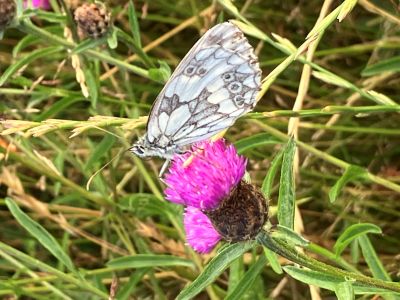
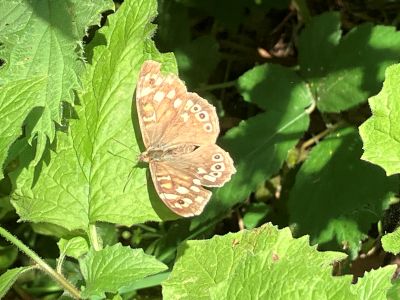
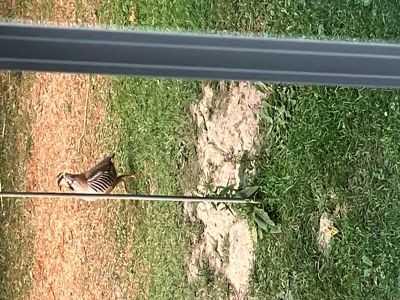
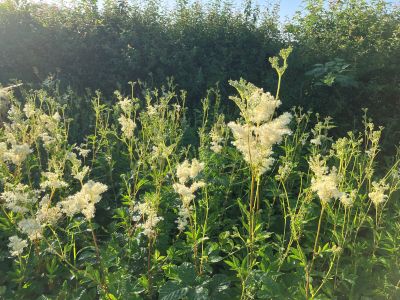
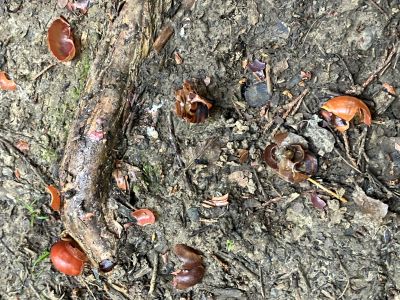
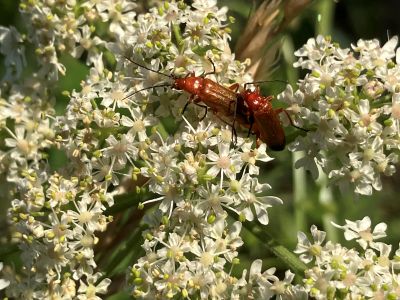
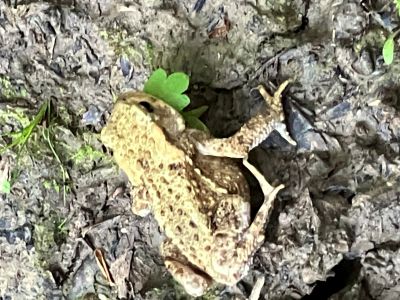
Highlights of July: Observing unusual species/behaviours due to our recent back-to-back heatwaves e.g. a red-legged partridge visiting the garden every night and a thirsty badger drinking during the day; a flying heart of two dragonflies mating on the wing; a vocal buck pursuing a doe; a thrush snail anvil on raised tree roots; small heaths and marbled whites skipping amongst meadows and fritillary butterflies amongst shady trees; a welcome north-easterly wind, carrying the intoxicating scent of newly mown hay.
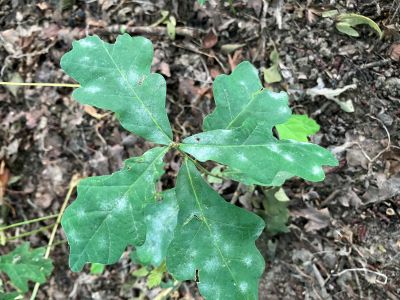
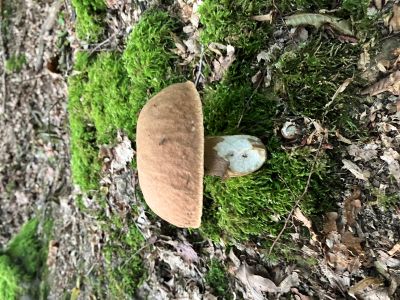
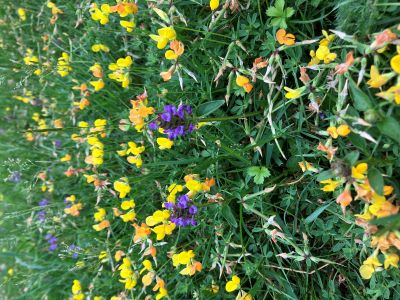
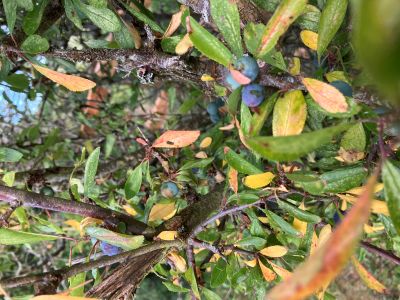
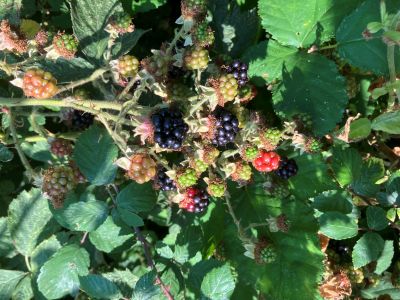
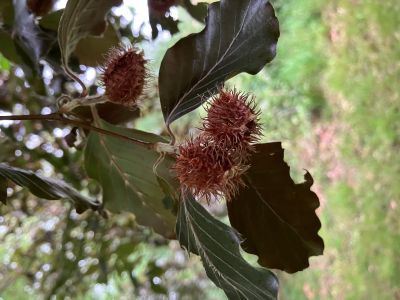
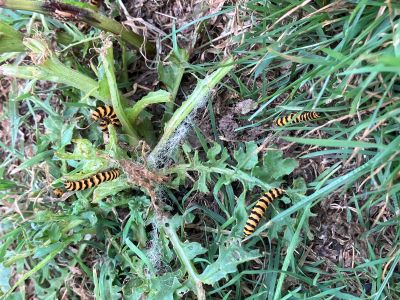
Lowlights: lack of insects (especially 'traditional summer' crickets and glow-worms); oak saplings covered in mildew; rock hard ground, dried up ponds and rivers; dead voles, birds, badger and fox-cubs; leaves already falling from drought-stricken trees; extra-early ripe blackberries and sloes; finding and freeing a rare lesser spotted woodpecker caught upside down by its leg; the Met Office's UK Climate Report describing extreme weather as 'the new normal', with more heatwaves on the horizon.
Key messages: There's nothing 'wild' about 'wildfires' - stay alert in these parched conditions.
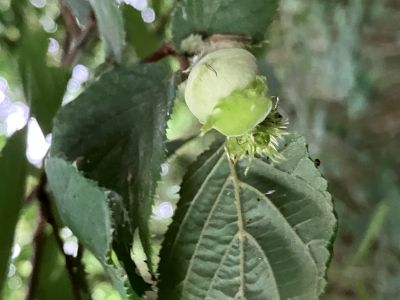
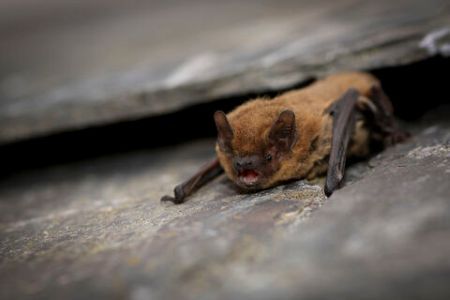
What to look for in August: Female pipistrelle bats emerging after sunset and before dawn with an attached young pup (they give birth to a single offspring which clings to its mother in the first weeks of life); ivy's star-shaped yellow-green flowers, beginning to form in globe-like clusters to attract ivy, honey and bumble bees, hoverflies and butterflies (one of the last nectar sources of the year); feathers from moulting birds; hedgerows bursting with more ripe fruits and nuts.
What you can do:
1) Postpone any roof, loft or sealant work until October and leave the small gaps under ridge tiles so mums and pups can get in and out of their roosts; turn outside lights downwards as light pollution disrupts bat hunting corridors.
2) Keep ponds and water dishes topped up and put out food for birds who need more energy when moulting. Invest in a water-butt to harvest rainwater all year around.
3) Leave Ivy which is often frequently and inaccurately blamed for harming trees. It's not a parasite, doesn't penetrate a tree's vascular system and doesn't steal water or nutrients from the host tree (their separate soil root systems helps them collect their own). As well as offering essential food, ivy provides shelter, nesting and a refuge for pollinators, birds and mammals, and protects trees from sudden temperature changes, including frost in the Autumn.
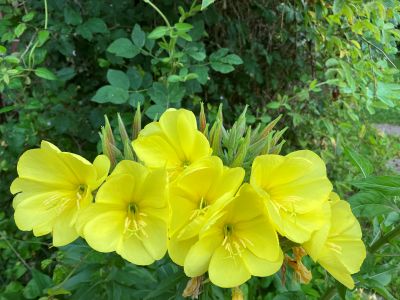
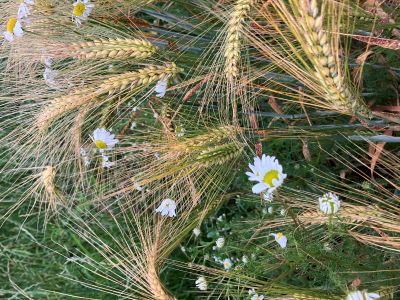
4) Celebrate wildflowers as a family summer activity by taking and entering your photos in the Eden Project's 'Wildflower Photographer of the Year' competition. You could win £1,000!
May the shade of a good tree offer you a cool retreat this summer. Wishing you a very Happy Holiday!
Picture credits: all images Editor's own, bar the the image of dragonflies (on menu page) Marco Federmann and pipistrelle bat above - Tom Marshall, Wildlife Trusts