Living Planet
Nature · Earth · ClimateNature Notes: August/September
PARCHED
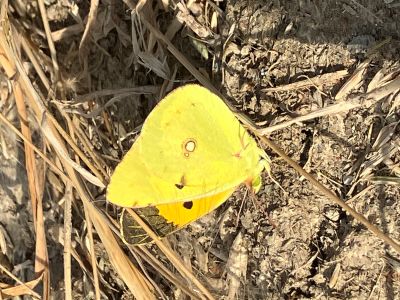
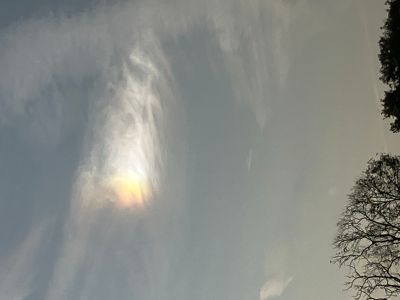
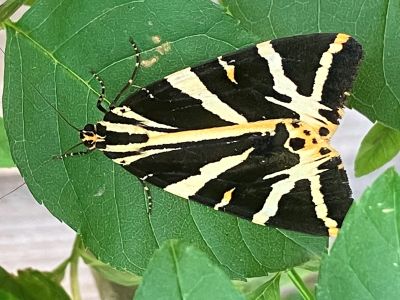
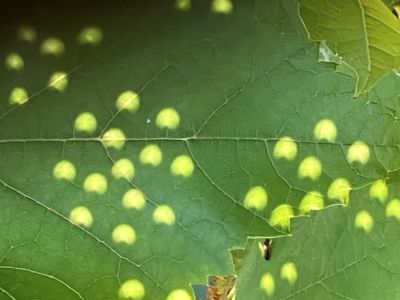
Highlights of August: Jersey Tiger moths and Hummingbird Hawk Moths on Buddleia and wild brambles; small coppers and clouded yellows; a 'speckled wood' butterfly and a 'speckled bush-cricket' within 100 yards on the same footpath; rainbow-like cloud iridescence at dawn; more fledgling robins, tits, sparrows, nuthatches; egyptian goslings crossing the golf club Fairway; birds on wires; a hare the size of a small dog; the sweet scent of hay after heavy dew; the rich light and silent stillness of the partial eclipse (seen below through a colander on a vine leaf)
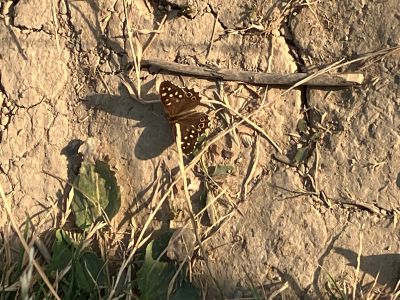
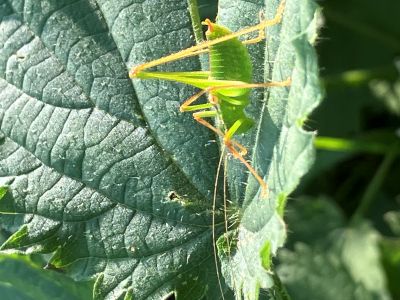
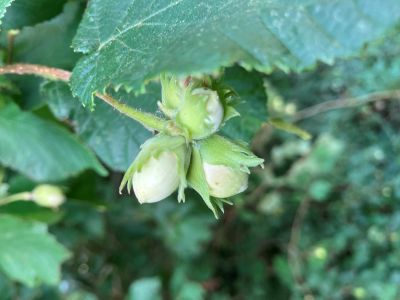
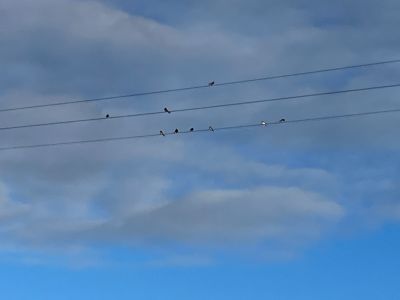
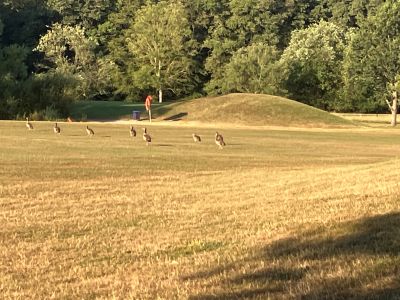
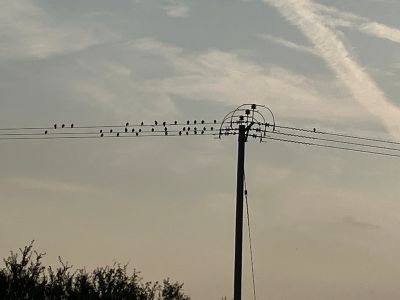
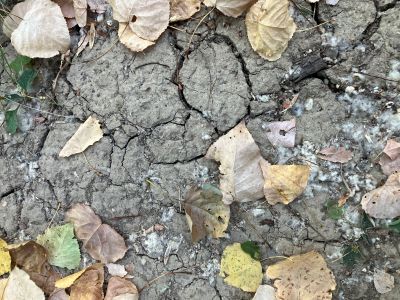
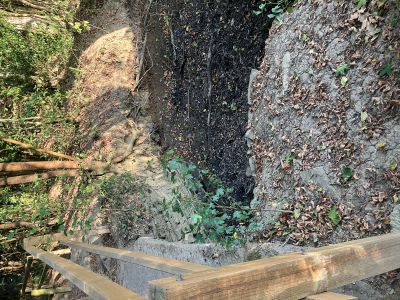
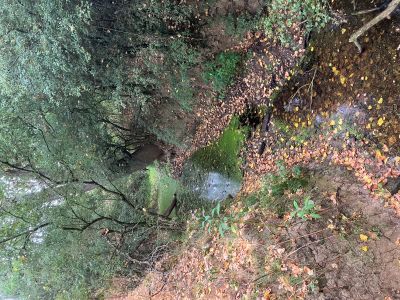
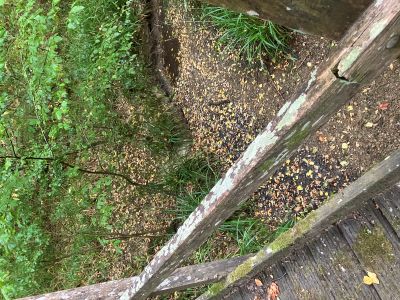
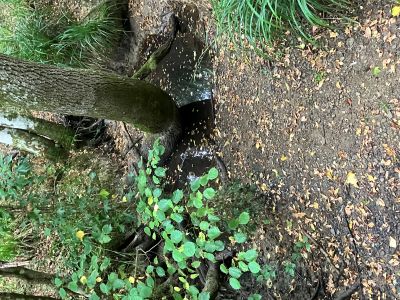
Lowlights: Nature thirsting. Our fifth consecutive heatwave of the year with temperatures higher than 35C; sun-baked, cracked clay; dust; withered plants and crops; wilting trees; crunchy grass; curled crisp leaves; panting animals; aquatic life disappearing with the evaporating puddles in our ponds and streams; birds and animals desperately struggling to survive and feed their young; local wildlife hospitals overflowing with orphaned and starving birds, hedge-hoglets, fox and badger cubs, deer and moles.
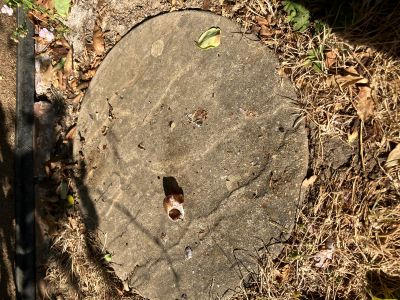
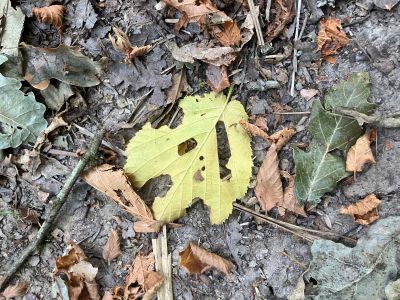
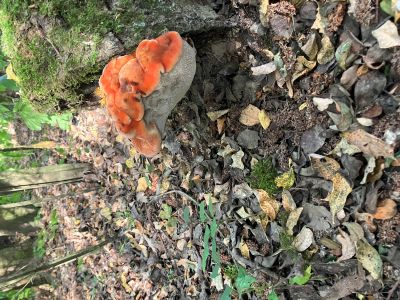
Key messages & what you can do to help:
1) Even a couple of centimetres of water is enough to sustain some pondlife, although lined ponds may have insufficient sediment if they completely dry out and lower water levels also dangerously alter the dilution of nutrients. If both your pond and water-butt are empty and you've got a hose-pipe ban, then why not embrace a shorter shower, and leave a bucket or two of tap water for 24-48 hours so the chlorine evaporates, before adding?
2) The Government's latest national security assessment makes it clear that nature underpins our national security. The breakdown of nature means crop failure, threats to food and water and conflict. Ask your local MP to attend the Westminster Hall debate on Biodiversity Loss on 3rd September and speak up for our community.
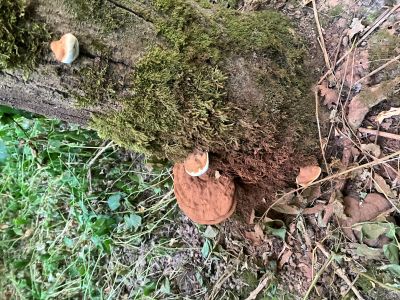
What to look for in September:
If they've survived thus far, and we have sustained rainfall, Greater Crested Newts transitioning onto any damp areas of land. They should be feasting on insects, slugs and worms, before finding suitable hibernation sites later in the month. Leave undisturbed log-pile hibernation areas in your garden and you'll also be helping other creatures survive and thrive.
Finally ... make a splash! The apt theme of this years 'Season of Creation' (1st September - 4th October) is 'Living Water' based on the river of life, in Ezekiel, reviving and healing ecosystems and the barren land. Why not download Operation Noah's 'Living Water Guide' and join other individuals, organisations and churches in celebrating water, protecting and restoring local rivers and other initiatives? Have fun, enjoy the showers and pray for enough rain!